
Caffeine has a strong effect on the central nervous system, removing sleepiness and fatigue. Drinking green tea between physical exercises, you get a good boost of energy produced due to caffeine, which displays the fats from the metabolism, and does not let them stay in the body. The caffeine in green tea has a diuretic effect, regulates blood circulation and pressure, protects the body from intoxication.
The caffeine content in green tea. Tea contains much of caffeine – from 2 to 4% in dry weight. Caffeine in tea was discovered in 1827. Later it was proved that theine and caffeine are identical. The cup tea comprises from half to a third dose of caffeine, which is contained in a cup of coffee of the same volume. However, if we measure the caffeine content in the dry product, tea contains more caffeine than coffee.
The role of caffeine is very important while green tea is brewed, it gives green tea a spicy bitterness. A cup of green tea contains about 15-30 milligrams of caffeine. By the way, the most contain of caffeine is in tea greens. The first greens contain up to 5% caffeine, and most recent pieces have very little caffeine – up to 1.5%. For example, a cup of espresso coffee contains only 1.2% of caffeine. In contrast, in green tea tannin is combined with caffeine, which has a mild effect on the human body.
The caffeine content in green tea depends on the growth, composition of the soil characteristics, climate, location of the tea valley. For example, the higher is the tea plantation, the colder the air is, and as a consequence of slower growing tea leaves, they are picking up more caffeine. The sun rays also contribute to the growth of tea rich in caffeine.

What does the contain of caffeine depend on?
The way of brewing tea affects very much on the caffeine content in green tea. The longer the tea is brewed, the more caffeine is released. It is important to remember that it is forbidden to brew green tea more than 6 minutes, so as lipids and essential oils begin to actively oxidize and spoil the taste of the tea, the beverage becomes bitter, and use theine is reduced to zero.
“Decaffeinated” tea still is not completely liberated from caffeine. It contains about 3% of this substance of the initial content. Color – is a poor indicator of the level of caffeine – Gyokuro, a Japanese green tea has the highest level of caffeine and contains more of this substance than dark tea Lapsang Souchong. Teas made from high quality bud and adjacent sheets (tea flows), have high concentration of caffeine. The positive side is that this is the sweetest part of the tea and they contain catechins and theanine.
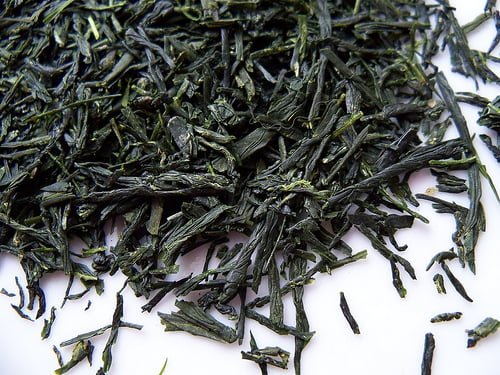
Effects of caffeine from green tea on the human body
There is no doubt that caffeine has a stimulating effect on the nervous and circulatory systems. Green tea increases physical and mental efficiency, the need for sleep is reduced, decreases the headache. Caffeine consumed in moderate doses has a stimulating effect on the central nervous system, increases the excitation processes in the cerebral cortex, eliminates drowsiness, improves mood, increases efficiency, creates a feeling of cheerfulness and high tide forces, stimulates the respiratory centers, especially when it is suppressed as a result of poisoning or anesthesia, increases the excretion of urine, stimulates gastric secretion and bile.
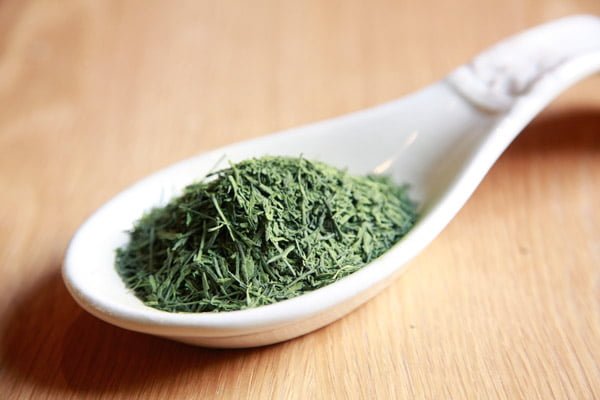
Along with the stimulating effect of caffeine it has other effects:
– Activates vasomotor center, and raises blood pressure (which is useful for hypotensive);
– Improves cerebral blood flow (reduction of headache);
– Stimulates the heart activity (increases heart rate and increases the frequency);
– Improves renal blood flow, and has a slight diuretic effect;
– Exhibits a stimulatory effect on the secretion of digestive juices, and particularly hydrochloric acid of the gastric mucosa (useful when giposekretornyh gastritis);

– Stimulates appetite in small doses and suppresses it in large;
– Increases respiratory rate;
– Provides a wake-up ation on the background of excessive effect of sleeping pills, and for narcosis (useful for the recovery of consciousness in case of poisoning, including ethanol).
These effects in the ground cause such a high popularity of this drink. The intensity of the tonic effect of tea, as already mentioned, depends on the variety, and on the amount used for brewing.
No Replies to "Chinese green tea caffeine content. Where there is more caffeine - in a cup of tea or coffee?"