
There are 6 major types (or cultivars) of Chinese tea: green tea, black tea, pu-erh, oolong tea, white tea, yellow tea. Of course, someone name herbal tea, but it is correct to call the “tea” one that is made from the tea plant Camellia sinensis. Flavoured teas and its blends derived from these basic six varieties of tea.
Although all kinds of tea are made from one tea plant, each one has its own special varieties of characteristics including taste, different properties and health benefits, as well as different levels of caffeine.
Chinese green tea – the introduction
Green tea is a type of tea that is closest to nature. It does not pass the fermentation process, it is only dried in the sun or heat. This variety of tea has the highest value for the health. Production of tea – is an art, so the taste and the quality will depend very much on the master who created it.
The best green tea is harvested in early spring. The highest quality of it is still made in China by traditional methods that have been passed down from generation to generation. Some types of green tea are flavored with flowers, such as jasmine.
Green tea has an elegant and at the same time, a strong aroma.
The aroma of high-quality green tea is unique and doesn’t resemble anything.
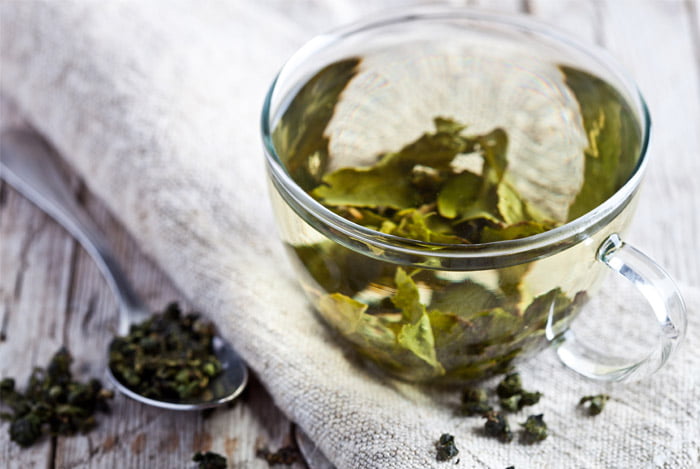
If you brew green tea in a transparent container, you will see that the dance of its bright green tea leaves, it is like a bright show.
Green tea will give you an elegant and refreshing taste like the morning dew, it prompts and tones. It even can help to lose some weight.
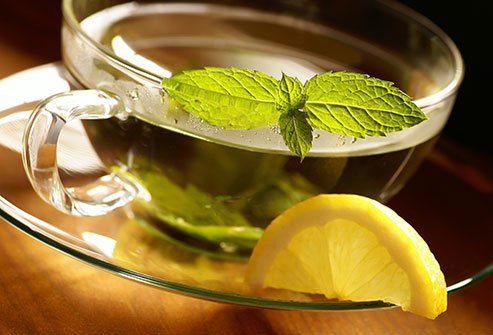
Let’s Consider the most popular varieties of green tea
Longjing (Dragon Well) – for this grade of tea only the top runners and the top two leaves are harvested. The tea leaves are roasted in boilers to stop the fermentation process. It is packed in a vacuum packaging, without flavoring. Longjing is rich in vitamin C, amino acids and catechins. This green tea belongs to the elite classes.
Gunpowder tea – the most popular variety of green tea. Its leaves are rolled into small balls, and when brewed, they are dismissed. It is strong enough, it has some astringency in the taste and bright flavor.
Sencha – Japanese green tea. Instead of frying, this variety meets the process of steaming, then it is twisted into thin strips.
Tuo Cha – elite varieties of Chinese green tea. Its production process is very lengthy and complicated. This tea is good for digestion, reduces the feeling of satiety after eating a fatty meat.
Mao Feng – a tea with a delicate flavor and fruity notes, it helps to relax and rejuvenate.
At present time there are more than a thousand varieties of green tea. In general – it is slightly oxidized (they say – slightly fermented, although this is not entirely true) product, almost always, with tart taste and pleasant buttery aroma of tea leaves.
Benefits and harms of green tea
Many of the useful properties of green tea are due to the greater content of various chemicals. In the main part of the tea about 500 (!) elements (calcium, phosphorus, magnesium, fluorine, etc.)., 450 kinds of organic compounds (proteins, fats, etc.) and almost all group of vitamins. It is not surprising that green tea brings so much good!
Green tea, with regular use (3-4 cups per day):
It supports the necessary level of vitamins, minerals and amino acids in the body;
supplying an organism with rare minerals such as iron, copper, fluorine, manganese, calcium, zinc;
- It prevents the increase of cholesterol level in blood;
- effectively treats tumors;
- increases the protective functions of the body;
- prevents diseases of the heart and coronary arteries;
- It slows the degenerative processes in the body.
Contraindications to the use of green tea
As a rule, most often they say about the benefits of chinese green tea. However, the damage of green tea is also possible.
Caffeine contained in green tea stimulates the nervous system, that is why people suffering from nervous exhaustion, sleep disturbances may occur, and fatigue. So it is better not to drink tea at night, but only in the morning and in small quantities. Green tea is not recommended to those who suffer from insomnia, palpitations, irritability.
Women need a special mode to drink green tea. For example, it is better to abandon green tea (or reduce its use) during menstruation, pregnancy and breastfeeding, as well as before childbirth.
Green tea often lowers the blood pressure, so in large quantities is contraindicated to those having hypotension. It is not recommended for hypertension and in an acute form.
If you have any worsening of chronic disease, green tea is also necessary to drink with caution. Especially be aware if you have stomach ulcers, because green tea increases the acidity of gastric juice.
No Replies to "Chinese green tea: its species, medicinal properties, benefit or harm?"